
Page Title


A Travelogue
My Japan impressions
My Japan impressions
Part 3
By Susie "Chie" Cunada
When our travel to Tokyo was finalized, I told Ricky that there are only 3
things that I wish to experience on this trip: Spa resort in Hakone, ride the
shinkansen, and try the not-to-be-missed Tsukiji Fish Market, and everything
else will be a bonus.
Took a cab to Tokyo station, the only station from where you can catch the
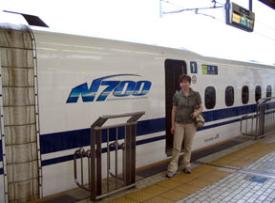
shinkansen. After purchasing our tickets, we eagerly boarded the smooth and
sleek train that would take us to Yokohama in just 18 minutes instead of an
hour by regular train. Can you believe that? I was ecstatic!
The shinkansen didn’t disappoint me. It was just as I imagined it to be,
and more! Just imagine the scenery outside to be just a blur. That’s how fast
and furious it was - simply exhilarating! My description would just fall short
of how awesome it is, so you have to experience it for yourself to feel the real
thing. It’s simply unbelievable!
By Susie "Chie" Cunada
When our travel to Tokyo was finalized, I told Ricky that there are only 3
things that I wish to experience on this trip: Spa resort in Hakone, ride the
shinkansen, and try the not-to-be-missed Tsukiji Fish Market, and everything
else will be a bonus.
Took a cab to Tokyo station, the only station from where you can catch the
shinkansen. After purchasing our tickets, we eagerly boarded the smooth and
sleek train that would take us to Yokohama in just 18 minutes instead of an
hour by regular train. Can you believe that? I was ecstatic!
The shinkansen didn’t disappoint me. It was just as I imagined it to be,
and more! Just imagine the scenery outside to be just a blur. That’s how fast
and furious it was - simply exhilarating! My description would just fall short
of how awesome it is, so you have to experience it for yourself to feel the real
thing. It’s simply unbelievable!
Since there are no attractions that we’d like to see in Yokohama, it being a port
city, we decided to just have breakfast and leave for Kamakura.
After a hearty breakfast, we boarded the train bound for Kamakura. Kamakura
is a coastal town which used to be the political center of Japan. Today, it is a very
popular tourist destination. Sometimes called the Kyoto of Eastern Japan,
Kamakura offers numerous temples, shrines and other historical monuments, one of
which is the Great Buddha.
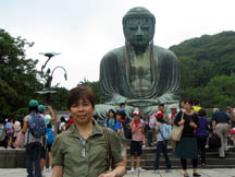
The Great Buddha of Kamakura (Daibutsu) is a bronze statue which stands on
the grounds of Kotokuin Temple (right). With a height of 13.35 meters, it is the
second largest bronze Buddha statue in Japan (the largest is located in Nara). The
statue was cast in 1252 and originally located inside a large temple hall. However,
the temple buildings were washed away by a tsunami in the end of the 15th century,
and since then the Buddha stands in the open air.
After making my wish before the Great Buddha, we proceeded to Hasedera
Temple.
The Hase Kannon Temple or Hasedera, located on a hill in Kamakura with a
sweeping view of the sea, is home to the giant statue of Kannon, the goddess of
mercy. According to tradition, the site of the temple was chosen by Kannon herself.
The remarkable Kannon statue at Hasedera was made from a single piece of
camphor wood in the 8th century. According to legend, it was one of two images
made from a huge camphor tree. One of the images was kept in Hase, near Nara,
while the other was cast in the sea to decide for itself where it should be
worshipped.
Along the steps to the Kannondo are statues of a much less monumental size
but perhaps greater visual impact. All around are rows of small statues of Jizo, the
guardian deity of children. Historically, parents came to Hasedera to set up these
statues in hopes the deity would protect and watch over their children. Today,
though, the Jizo statues represent the souls of miscarried, stillborn or aborted
city, we decided to just have breakfast and leave for Kamakura.
After a hearty breakfast, we boarded the train bound for Kamakura. Kamakura
is a coastal town which used to be the political center of Japan. Today, it is a very
popular tourist destination. Sometimes called the Kyoto of Eastern Japan,
Kamakura offers numerous temples, shrines and other historical monuments, one of
which is the Great Buddha.
The Great Buddha of Kamakura (Daibutsu) is a bronze statue which stands on
the grounds of Kotokuin Temple (right). With a height of 13.35 meters, it is the
second largest bronze Buddha statue in Japan (the largest is located in Nara). The
statue was cast in 1252 and originally located inside a large temple hall. However,
the temple buildings were washed away by a tsunami in the end of the 15th century,
and since then the Buddha stands in the open air.
After making my wish before the Great Buddha, we proceeded to Hasedera
Temple.
The Hase Kannon Temple or Hasedera, located on a hill in Kamakura with a
sweeping view of the sea, is home to the giant statue of Kannon, the goddess of
mercy. According to tradition, the site of the temple was chosen by Kannon herself.
The remarkable Kannon statue at Hasedera was made from a single piece of
camphor wood in the 8th century. According to legend, it was one of two images
made from a huge camphor tree. One of the images was kept in Hase, near Nara,
while the other was cast in the sea to decide for itself where it should be
worshipped.
Along the steps to the Kannondo are statues of a much less monumental size
but perhaps greater visual impact. All around are rows of small statues of Jizo, the
guardian deity of children. Historically, parents came to Hasedera to set up these
statues in hopes the deity would protect and watch over their children. Today,
though, the Jizo statues represent the souls of miscarried, stillborn or aborted
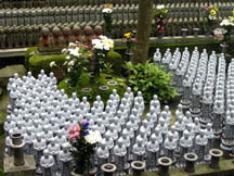
children. Some of the statues are dressed in bibs, hand-knitted caps and sweaters. More than 50,000 Jizo statues have been offered
here since the war, but the thousand or so currently dipslayed will remain only a year before being burned or buried to make way for
others. Jizo statues can be purchased on the temple grounds.
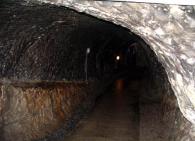
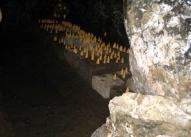
Also at the temple grounds is the Bentenkutsu, a small cave with candle-lit sculptures of Benten (a Shinto goddess of feminine
beauty and wealth) and other minor gods (below).
here since the war, but the thousand or so currently dipslayed will remain only a year before being burned or buried to make way for
others. Jizo statues can be purchased on the temple grounds.
Also at the temple grounds is the Bentenkutsu, a small cave with candle-lit sculptures of Benten (a Shinto goddess of feminine
beauty and wealth) and other minor gods (below).
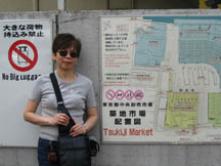
Tsukiji Fish Market/Ueno
As a backgrounder, Tsukiji fish market is the
biggest wholesale fish and seafood market in the
world and also one of the largest wholesale food
markets of any kind. The market is a major
attraction for foreign visitors. There are two
distinct sections of the market as a whole. The
"inner market" is the licensed wholesale market,
where the auctions and most of the processing of
the fish takes place, and where licensed wholesale
As a backgrounder, Tsukiji fish market is the
biggest wholesale fish and seafood market in the
world and also one of the largest wholesale food
markets of any kind. The market is a major
attraction for foreign visitors. There are two
distinct sections of the market as a whole. The
"inner market" is the licensed wholesale market,
where the auctions and most of the processing of
the fish takes place, and where licensed wholesale
dealers (approximately 900 of them) operate small stalls.
The "outer market" is a mixture of wholesale and retail shops that sell Japanese kitchen tools, restaurant supplies, groceries,
and seafood, and many restaurants, especially sushi restaurants. The market handles more than 400 different types of seafood from
tiny sardines to 300kg tuna, from cheap seaweed to the most expensive caviar. Overall, more than 700,000 metric tons of seafood
are handled every year, with a total value in excess of 600 billion yen (approximately 5.5 billion US dollars). Tsukiji alone handles
over 2000 metric tons of seafood per day.
The "outer market" is a mixture of wholesale and retail shops that sell Japanese kitchen tools, restaurant supplies, groceries,
and seafood, and many restaurants, especially sushi restaurants. The market handles more than 400 different types of seafood from
tiny sardines to 300kg tuna, from cheap seaweed to the most expensive caviar. Overall, more than 700,000 metric tons of seafood
are handled every year, with a total value in excess of 600 billion yen (approximately 5.5 billion US dollars). Tsukiji alone handles
over 2000 metric tons of seafood per day.
The market opens most mornings except Sundays and holidays at 3:00 a.m. with
the arrival of the products by ship, truck and plane from all over the world. Particularly
impressive is the unloading of tons of frozen tuna. The auction houses then estimate
the value and prepare the incoming products for the auctions. The buyers (licensed to
participate in the auctions) also inspect the fish to estimate which fish they would like
to bid for and at which price.
The auctions start around 5:20 a.m. Bidding can only be done by licensed
participants. These bidders include intermediate wholesalers who operate stalls in the
marketplace and other licensed buyers who are agents for restaurants, food
processing companies, and large retailers. The auctions usually end around 7:00 a.m.
Thereafter, the purchased fish is either loaded onto trucks to be shipped to the next
destination or on small carts and moved to the many shops inside the market. There
the shop owners cut and prepare the products for retail. The market is most busy
the arrival of the products by ship, truck and plane from all over the world. Particularly
impressive is the unloading of tons of frozen tuna. The auction houses then estimate
the value and prepare the incoming products for the auctions. The buyers (licensed to
participate in the auctions) also inspect the fish to estimate which fish they would like
to bid for and at which price.
The auctions start around 5:20 a.m. Bidding can only be done by licensed
participants. These bidders include intermediate wholesalers who operate stalls in the
marketplace and other licensed buyers who are agents for restaurants, food
processing companies, and large retailers. The auctions usually end around 7:00 a.m.
Thereafter, the purchased fish is either loaded onto trucks to be shipped to the next
destination or on small carts and moved to the many shops inside the market. There
the shop owners cut and prepare the products for retail. The market is most busy
between 5:30 and 8:00 a.m., and the activity declines significantly afterward. Many shops start to close around 11:00 a.m., and the
market closes for cleaning around 1:00 p.m. Tourists may visit the market daily between 5 a.m. and 6:15 a.m. and watch the
proceedings from a designated area. Inspectors from the Tokyo Metropolitan Government supervise activities in the market to
enforce the Food Hygiene Law.
Ricky loves sushi, but unfortunately, I don’t. As a compromise, we had to find a restaurant that caters to both sushi and cooked
dishes. I tell you, our food was sooooo yummy! The fish was ever so fresh that it literally melts in your mouth. A word of caution
though: be prepared to pay for it as it would cost you an arm and a leg! But it was worth it.
Goodbye, Japan!
I finally learned 3 things on the last leg of our stay: (1) the complex rail system, (2) how to use the chopsticks (oh yes, I can say I’
m now an expert. ha!), and (3) I can actually speak basic Niponggo. How ironic, indeed. I should have learned these 3 things on my
1st day. C’est la vie!
market closes for cleaning around 1:00 p.m. Tourists may visit the market daily between 5 a.m. and 6:15 a.m. and watch the
proceedings from a designated area. Inspectors from the Tokyo Metropolitan Government supervise activities in the market to
enforce the Food Hygiene Law.
Ricky loves sushi, but unfortunately, I don’t. As a compromise, we had to find a restaurant that caters to both sushi and cooked
dishes. I tell you, our food was sooooo yummy! The fish was ever so fresh that it literally melts in your mouth. A word of caution
though: be prepared to pay for it as it would cost you an arm and a leg! But it was worth it.
Goodbye, Japan!
I finally learned 3 things on the last leg of our stay: (1) the complex rail system, (2) how to use the chopsticks (oh yes, I can say I’
m now an expert. ha!), and (3) I can actually speak basic Niponggo. How ironic, indeed. I should have learned these 3 things on my
1st day. C’est la vie!