symbolizes a new beginning. "Kolam" designs made of rice paste adorn homes. Bhogi is also a day to honor Lord Indra, ruler of clouds and rains, for bountiful harvest and fertile land.
The second day is called Surya Pongal, which is dedicated to the sun god. It is also the first day of the Tamil month THAI. Women decorate their yards and homes with kolam designs, and the family prepares the special dish in a mudpot called Pongapani. Prayers or puja are dedicated to the sun god thanking him for a wonderful harvest.
The third day is called Mattu Pongal, or the festival of the cattle, the giver of milk and the worker in the fields. The cattle are bathed and thoroughly cleaned, their horns are painted, and garlands of flowers and tinkling bells are tied around their necks. A game called Manji Virattu, in which young men chase running bulls sometimes become the highlight of this day. Lord Ganesh and goddess Parvati are also worshipped on the third day of Pongal.
The fourth day is usually a sharing of blessings with others -- the community and nature. Cooked rice is offered to the birds and crows, while people look up to the sky in thanksgiving.
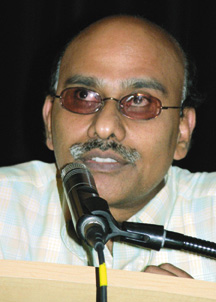
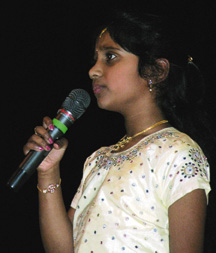
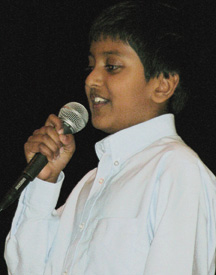
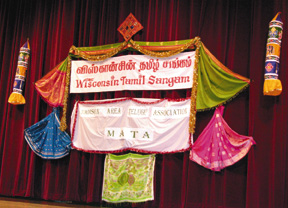
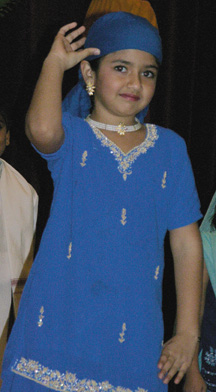
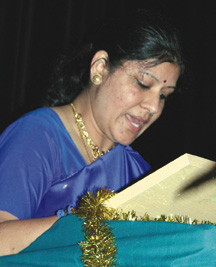
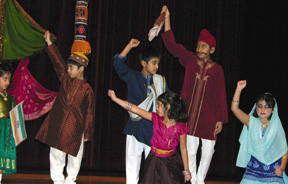
In the local version of Pongal, the Indian American community, through the Wisconsin Tamil Sangam led by Jansirani Prabakaran and the Madison Area Telugu Association led by MS Rao, got together to celebrate this part of their culture as one community. Not only did they share in the "bountiful harvest" of their respective work by bringing in delicious traditional dishes, but they also shared in the "bountiful blessings" and overflow of talents, from the young to the not-so-young. Children dressed in different traditional costumes from various Indian states and representing different religious beliefs awed the audience with their "Unity in Diversity" number. It symbolized the young generation's dream of creating peace and understanding in the world.
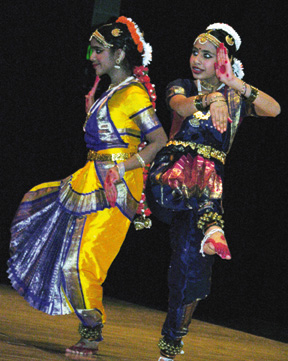
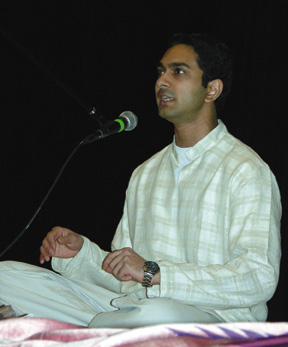
The combination of classic and contemporary dances and songs reflect the intermingling of cultures as well as the changing times in India. Many of the songs and dances were adapted from Indian movies, including the lyrics which remained in their native tongue. The Bharatanatyam dances and Carnatic songs, however, provided much of the cultural connection that seemed undisturbed and pure. The beautiful colors of the saris, scarves, and headdresses reminded everyone of a colorful past that has to be carried on regardless of time and place. The beat of a Carnatic song brought a quick thought into the discipline imposed on the artist by the art for perfection. It was similar to the hands and voices of parents directing children to where they should place themselves onstage. |