Nepalese everywhere prepare for this occasion by cleaning and beautifying their homes. They believe that a beautiful home would invite the visit and blessing of goddess Durga. During nawa ratri, devotees pray to her (and her many forms called devis) for good fortunes.
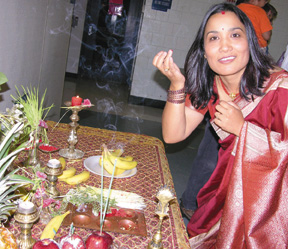
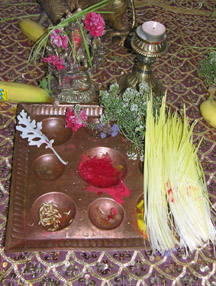
The first day of Dashain is called Ghatasthapana, when kalash (holy water vessel) is placed on the altar. The kalash is filled with holy water and covered with cowdung on to which seeds are sown. A small rectangular sand block is made and the kalash is put in the center. The surrounding bed of sand is also seeded with grains. The Ghatasthapana ritual is performed at a certain auspicious moment determined by astrologers. ... By the 10th day, the seed will have grown to five or six inches of long yellow grass, called Jamara. It is bestoweed by the elders atop the heads of youth during the last five days when the tika is put on. The Jamara is taken as a token of Goddess Durga as well as the elders' blessing. -(www.wikipedia.com)
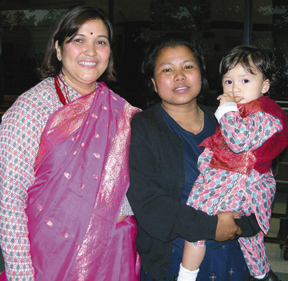
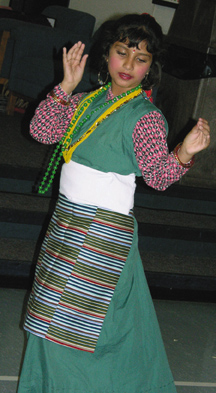
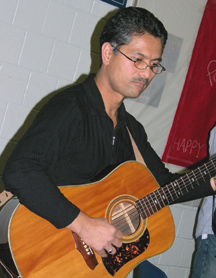
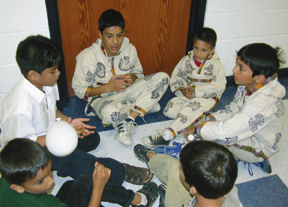
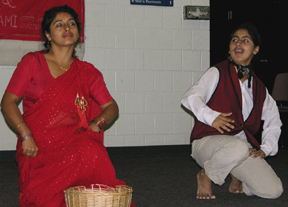
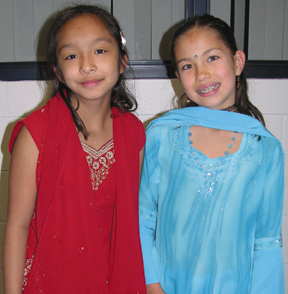
The 10th day is the Dashami, the day the Nepalese take tika and Jamara from elders to receive their blessings. Family members and relatives come together to pay respect to their elders, share stories, and enjoy their togetherness. This was exactly what the Local Nepalese community in Madison did, and more. Friends and guests from other cultures shared an important Nepali tradition and watched a cultural program highlighted by a humorous skit (bottom right). Nepali food and music were aplenty, and the feeling of being at home away from home was on everyone's face.