


“Intercultural Night”: A taste of world cultures all at once
By Ka Bao Lee
It began in Egypt. Girls dolled up in colorful belly dancing outfits swayed back and
forth, jingling the beads and coins that dangled from their hips. As the jingles from the
bellydancers quieted down, another group of girls with traditional headdresses and
blouses, white pleated skirts and colorful sashes, took the stage. They danced along to
Hmong music, taking the audience away from Egypt and to a culture that originated in
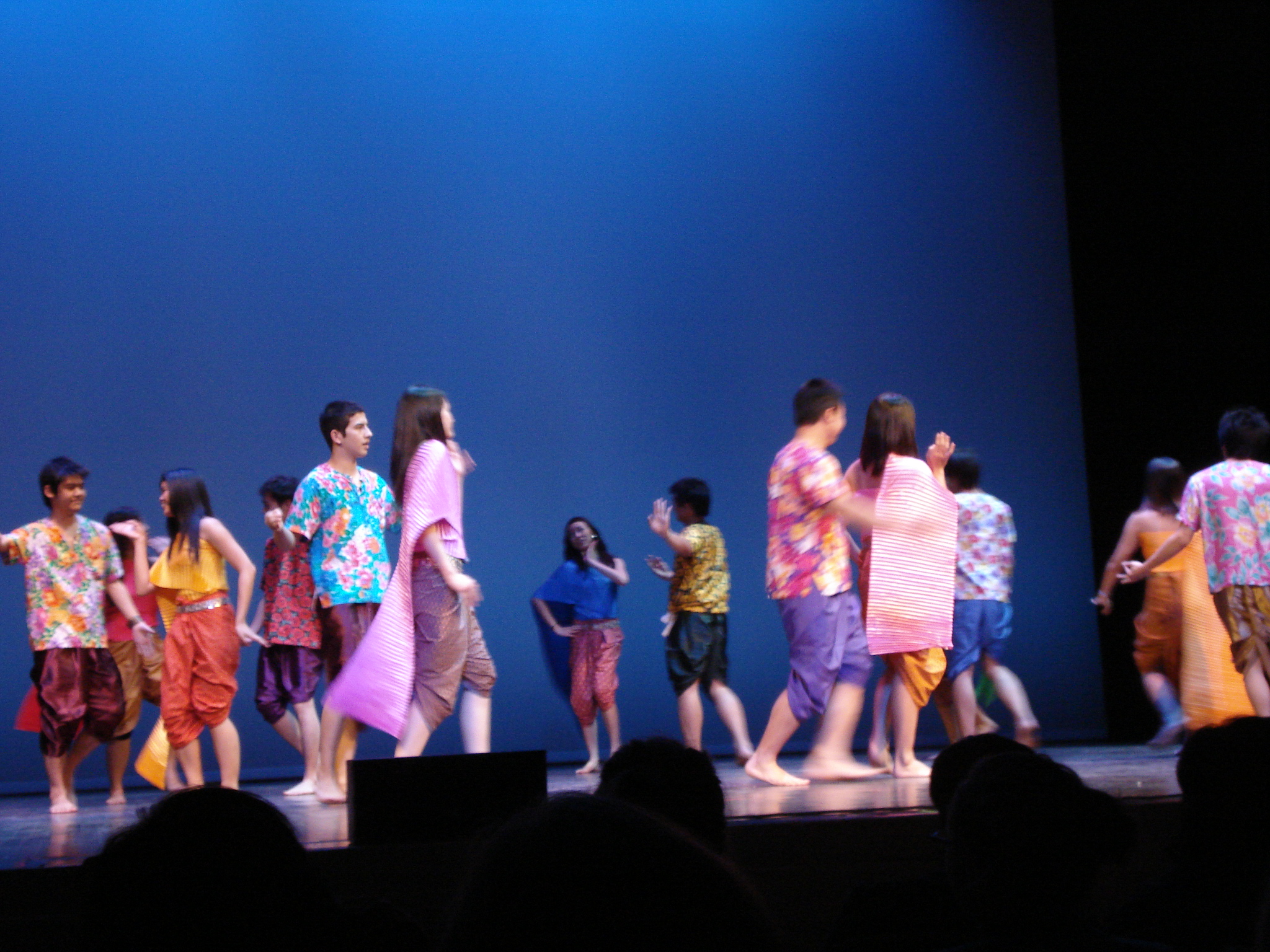
China. From China to Thailand, young men and women showcased the Thai culture
with their own traditional Thai dance. The audience was mesmerized at that point, but
“traditional” acts were interrupted by the sounds of modern Hip Hop music. Acrobatic
Hip Hop dancers pumped up the crowd, showcasing a different kind of culture. The
night wasn’t over yet. Breaking away from dance performances, a Taiwanese puppet
show about religion in Taiwan delighted the crowd. From Taiwan, the audience is
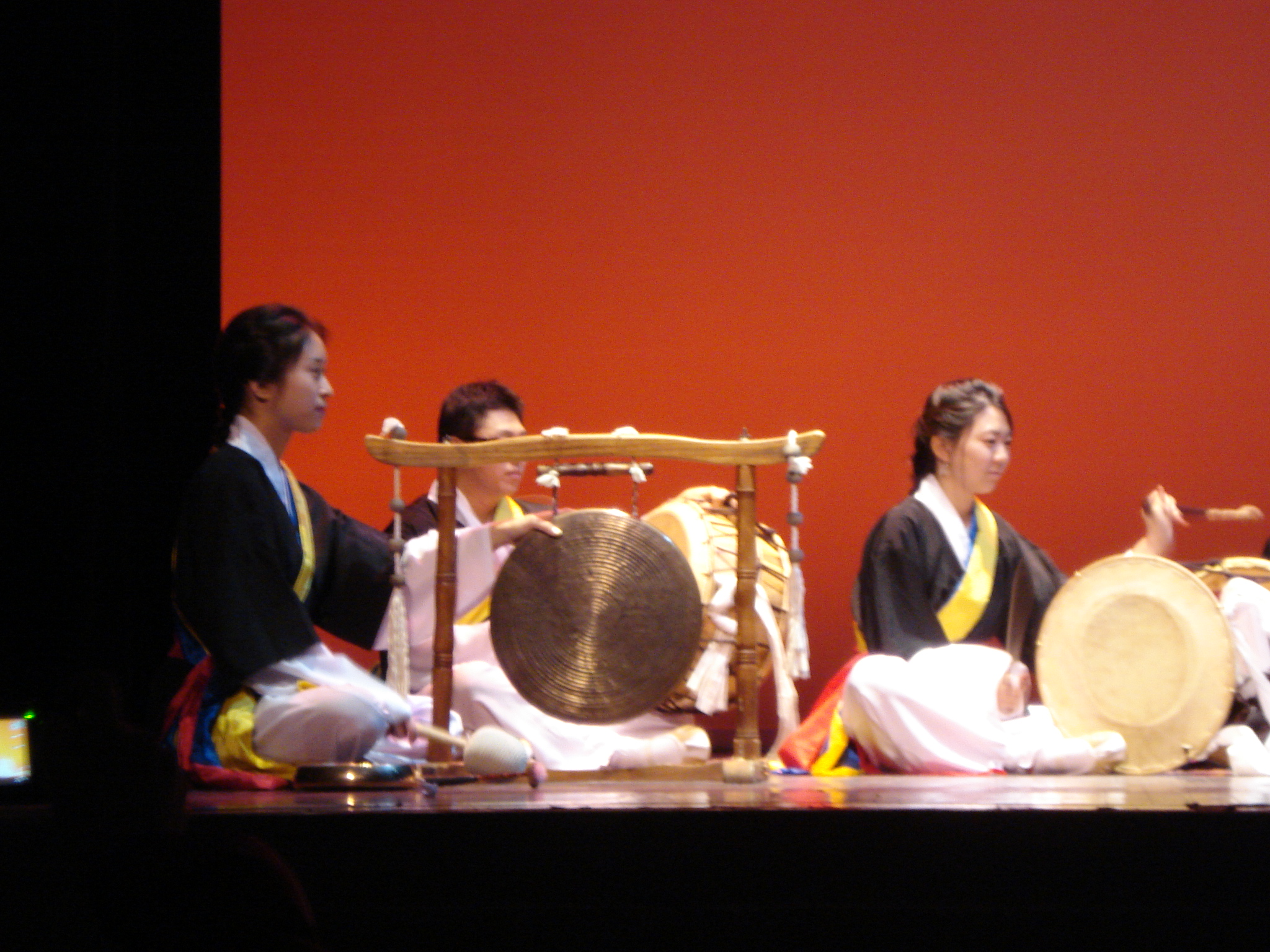
swept away to Korea by the methodic beating of traditional Korean drums. The sounds
of Korean drums turned into drumming from Brazil, which was accompanied by a
performance incorporating dance, acrobatics and martial arts. All of these cultures
were on one stage performing on the same night, Intercultural Night.
It is rare to find a mixture of cultures represented at one cultural night, but the
Wisconsin International Student Association (WISA) has managed to do just that with
their annual Intercultural Night. What began as just a wishful hope from one University
of Wisconsin-Madison student turned into a reality when the first Intercultural Night was
launched five years ago as a collaboration between the International Student Services
and the Wisconsin International Student Association. Eriko Nakamura, an international
student from Japan and director of WISA explained, “Even though there are so many
international students on this campus, there is not necessarily cultural exchange
among the international students and so having Intercultural Night as a way to bring
together international groups, I think is really unique in that it is not just representing
one country.”
For five years now, Intercultural Night has been a night to celebrate all of these
different international cultures. The night is not only about celebration, but also about
awareness and integration. Intercultural Night Coordinator Mitsue Terao, an
It began in Egypt. Girls dolled up in colorful belly dancing outfits swayed back and
forth, jingling the beads and coins that dangled from their hips. As the jingles from the
bellydancers quieted down, another group of girls with traditional headdresses and
blouses, white pleated skirts and colorful sashes, took the stage. They danced along to
Hmong music, taking the audience away from Egypt and to a culture that originated in
China. From China to Thailand, young men and women showcased the Thai culture
with their own traditional Thai dance. The audience was mesmerized at that point, but
“traditional” acts were interrupted by the sounds of modern Hip Hop music. Acrobatic
Hip Hop dancers pumped up the crowd, showcasing a different kind of culture. The
night wasn’t over yet. Breaking away from dance performances, a Taiwanese puppet
show about religion in Taiwan delighted the crowd. From Taiwan, the audience is
swept away to Korea by the methodic beating of traditional Korean drums. The sounds
of Korean drums turned into drumming from Brazil, which was accompanied by a
performance incorporating dance, acrobatics and martial arts. All of these cultures
were on one stage performing on the same night, Intercultural Night.
It is rare to find a mixture of cultures represented at one cultural night, but the
Wisconsin International Student Association (WISA) has managed to do just that with
their annual Intercultural Night. What began as just a wishful hope from one University
of Wisconsin-Madison student turned into a reality when the first Intercultural Night was
launched five years ago as a collaboration between the International Student Services
and the Wisconsin International Student Association. Eriko Nakamura, an international
student from Japan and director of WISA explained, “Even though there are so many
international students on this campus, there is not necessarily cultural exchange
among the international students and so having Intercultural Night as a way to bring
together international groups, I think is really unique in that it is not just representing
one country.”
For five years now, Intercultural Night has been a night to celebrate all of these
different international cultures. The night is not only about celebration, but also about
awareness and integration. Intercultural Night Coordinator Mitsue Terao, an
international student also from Japan, explained that there are many separate cultural
groups on the UW campus that each hold separate cultural events, but bringing
everyone together at Intercultural Night introduces them to other cultures. Nakamura
added that Intercultural Night also integrates international students with American
students. Getting American students interested and comfortable about other cultures is
very important.
In order to put together the event, Terao said she and a committee of about 20
started planning in December. The planning process began by e-mailing different
cultural groups on campus, asking for volunteer performers. Terao explained that the
committee tries to get new groups to perform each year. They also try not to have two
groups from one country, because they want as many different cultures and countries
represented as possible. There are no shortages of cultures and countries; the hard part
is getting people to commit the time needed to make Intercultural Night a success.
Most of the volunteers are students and have very busy schedules, so fully committing
to a performance a few months away can be challenging, Terao admitted. However,
many students are usually excited and put a lot of effort into their performances.
groups on the UW campus that each hold separate cultural events, but bringing
everyone together at Intercultural Night introduces them to other cultures. Nakamura
added that Intercultural Night also integrates international students with American
students. Getting American students interested and comfortable about other cultures is
very important.
In order to put together the event, Terao said she and a committee of about 20
started planning in December. The planning process began by e-mailing different
cultural groups on campus, asking for volunteer performers. Terao explained that the
committee tries to get new groups to perform each year. They also try not to have two
groups from one country, because they want as many different cultures and countries
represented as possible. There are no shortages of cultures and countries; the hard part
is getting people to commit the time needed to make Intercultural Night a success.
Most of the volunteers are students and have very busy schedules, so fully committing
to a performance a few months away can be challenging, Terao admitted. However,
many students are usually excited and put a lot of effort into their performances.
(Top and Above) Korean drummers; Thai dancers
| The bellydancers from "Egypt" |
The night of the show, audiences can expect to be entertained by about eight different cultures. This year, the crowd of 400 or so was
treated to performances by the UW Bellydancing Club, Hmong American Student Association, Thai Student Association, UW’s Hip Hop
dance team Hypnotiq, Taiwan Puppet Troupe, Korean Traditional Folk Drumming and Dance Group, and the UW Capoeira Club. In order to
tie all of these diverse acts together, the audience is also treated to a skit as well.
Intercultural Night is usually followed by the International Festival, which offers free food from other cultures, more informal performances
and a chance for people to engage in conversations about culture. Unfortunately this year, International Festival was held on another night.
Terao said the separation of the two events contributed to the decrease in the number of attendees, but said that it was still very successful
overall. People who come to Intercultural Night usually really enjoy the event. The response has been very positive, said Nakamura.
By bringing people of diverse backgrounds together for a night such as this, Nakamura said, “I hope that people can believe that the world
is approachable, and other countries are not as foreign as they think.. I hope that they will get interested in the different countries and
maybe they’ll want to go there someday or want to know somebody from there.”
While Nakamura and Terao hope that people take a lot away from Intercultural Night, they also want to see Intercultural Night grow. They
hope that more student organizations will showcase their culture and even those who don’t have a student organization will be encouraged
to show their culture, as well. They also hope to draw more audience members from off campus, such as middle and high schoolers. Terao
believes it is very important for children to be exposed to different cultures at a young age, so that they are more open when they are older.
Terao also said, “I want it to be a traditional event that people look forward to every year.”
No matter what people take away from the event or what the future holds for the event, Nakamura said, "We love doing it, we have fun,
and I hope that is reflected in the event as well."
treated to performances by the UW Bellydancing Club, Hmong American Student Association, Thai Student Association, UW’s Hip Hop
dance team Hypnotiq, Taiwan Puppet Troupe, Korean Traditional Folk Drumming and Dance Group, and the UW Capoeira Club. In order to
tie all of these diverse acts together, the audience is also treated to a skit as well.
Intercultural Night is usually followed by the International Festival, which offers free food from other cultures, more informal performances
and a chance for people to engage in conversations about culture. Unfortunately this year, International Festival was held on another night.
Terao said the separation of the two events contributed to the decrease in the number of attendees, but said that it was still very successful
overall. People who come to Intercultural Night usually really enjoy the event. The response has been very positive, said Nakamura.
By bringing people of diverse backgrounds together for a night such as this, Nakamura said, “I hope that people can believe that the world
is approachable, and other countries are not as foreign as they think.. I hope that they will get interested in the different countries and
maybe they’ll want to go there someday or want to know somebody from there.”
While Nakamura and Terao hope that people take a lot away from Intercultural Night, they also want to see Intercultural Night grow. They
hope that more student organizations will showcase their culture and even those who don’t have a student organization will be encouraged
to show their culture, as well. They also hope to draw more audience members from off campus, such as middle and high schoolers. Terao
believes it is very important for children to be exposed to different cultures at a young age, so that they are more open when they are older.
Terao also said, “I want it to be a traditional event that people look forward to every year.”
No matter what people take away from the event or what the future holds for the event, Nakamura said, "We love doing it, we have fun,
and I hope that is reflected in the event as well."